
Comprehensive FAQs About Periodontal Disease, Oral Hygiene, and Systemic Health
What Is Periodontal Disease?
Periodontal disease, or gum disease, is a chronic infection that damages the gums and supporting structures around the teeth. It begins with inflammation (gingivitis) and can progress to serious bone loss (periodontitis), ultimately leading to tooth loss if untreated.
Why Is Periodontal Treatment Important?
Periodontal treatment is essential for keeping your teeth and supporting bone healthy. Without proper care, the gums may recede or swell, the bone may deteriorate, and teeth can become loose or fall out. Treating periodontal disease not only preserves your smile and chewing ability but also benefits your overall health.
How Does Gum Disease Progress?
Gingivitis
This early stage is caused by plaque—a sticky film of food debris and bacteria—forming on the teeth. Symptoms include red, swollen gums that may bleed easily.
Periodontitis
If left untreated, gingivitis can advance to periodontitis. The gum tissue and bone begin to break down, leading to deep pockets around teeth, bone loss, and eventual tooth mobility or loss. This stage is often painless, making regular dental visits critical.
What Is the Connection Between Gum Health and Overall Health?
The “mouth-body connection” shows that gum disease can contribute to or worsen systemic conditions like:
-
Diabetes
-
Heart disease and stroke
-
Pregnancy complications
-
Respiratory infections
-
Osteoporosis
Bacteria from the mouth can enter the bloodstream, spreading inflammation and infection throughout the body.
How Is Gum Disease Linked to Diabetes?
People with diabetes are more prone to infections—including gum disease—due to impaired circulation and immune response. Poorly controlled blood sugar increases gum disease severity, while gum infections can raise blood sugar levels, creating a vicious cycle. Diabetic smokers over age 45 are 20 times more likely to develop periodontal disease.
How Does Periodontal Disease Affect Heart Health?
Patients with gum disease are almost twice as likely to develop coronary artery disease. Oral bacteria can enter the bloodstream, attach to arterial plaque, and contribute to clot formation. Gum disease increases C-reactive protein (CRP), a key inflammatory marker associated with heart attack and stroke risk.
Is Periodontal Disease a Concern During Pregnancy?
Yes. Pregnancy hormones increase gum sensitivity, often leading to gingivitis or periodontitis. Untreated gum disease is linked to:
-
Premature birth
-
Low birth weight
-
Preeclampsia
Oral bacteria can enter the bloodstream and affect the baby. Maintaining oral hygiene and treating gum issues can reduce pregnancy risks by up to 50%.
Can Gum Disease Affect Breathing or the Lungs?
Yes. Bacteria from infected gums can be inhaled into the lungs, especially in those with weakened immune systems. This can lead to or worsen conditions like:
-
Pneumonia
-
Bronchitis
-
Emphysema
-
COPD
Gum inflammation may also inflame lung tissues, reducing airflow and breathing capacity.
What Is the Relationship Between Osteoporosis and Periodontal Disease?
Both conditions involve bone loss. Post-menopausal women with low estrogen levels are especially at risk. Studies show:
-
Women with gum disease are more likely to have jawbone loss.
-
Osteoporosis sufferers can reduce tooth loss by managing periodontal disease.
-
Estrogen deficiency speeds up tissue and bone breakdown, affecting tooth stability.
How Can I Prevent Periodontal Disease?
Daily care and professional monitoring are essential:
-
Brush twice daily with proper technique.
-
Floss daily to remove plaque between teeth.
-
Visit your dentist regularly for exams and cleanings.
-
Avoid tobacco and manage underlying health conditions.
How Should I Brush My Teeth Properly?
-
Hold the brush at a 45-degree angle to the gums.
-
Use gentle, circular motions on outside and inside surfaces.
-
For front teeth, hold the brush vertically and use gentle up-and-down strokes.
-
Use short strokes on the chewing surfaces.
-
Rinse thoroughly afterward.
What’s the Correct Way to Floss?
-
Use 18 inches of waxed floss.
-
Wrap around your fingers and guide it gently between teeth.
-
Curve it into a C-shape against each tooth and slide up and down.
-
Don’t snap the floss—be gentle with the gums.
-
Rinse when finished. Bleeding may occur at first, but this should stop with regular use.
What Should I Do About Sensitive Teeth?
Sensitivity to hot or cold after dental treatment is common and usually temporary if the mouth is kept clean. Use sensitive toothpaste or rinses if recommended, and consult your dentist if symptoms persist.
How Do I Choose the Right Oral Hygiene Products?
-
Electric toothbrushes (e.g., Rotadent, Interplak) are effective for most users.
-
Use fluoride toothpaste and mouth rinses to reduce decay (not for kids under 6).
-
Anti-plaque rinses help early gum disease when combined with brushing and flossing.
-
Be cautious with interproximal brushes and rubber tips—ask your dentist for proper technique.
When Should I See a Periodontist?
You should schedule an appointment if you experience:
-
Bleeding gums during brushing or eating
-
Persistent bad breath
-
Loose teeth or gum recession
-
Systemic health issues (e.g., diabetes, heart disease)
-
Unexplained oral changes (e.g., lumps, sores)
A referral is not necessary. Periodontal treatment can protect your teeth and reduce systemic risks.
How Does Smoking Affect Gum Health?
Tobacco use greatly increases the risk of severe periodontal disease, deeper gum pockets, and tooth loss. Chemicals in tobacco slow healing and reduce treatment success. Smokeless tobacco users also face increased risk of oral cancer.
What Is a Perioscope and How Is It Used?
The Perioscope is a tiny dental endoscope used to view and treat the area under the gums. It allows precise cleaning of plaque and tartar from tooth roots and helps identify root surface problems—without surgery.
Are Women More Prone to Gum Disease?
Yes. Hormonal changes affect gum health during:
-
Puberty: Increases gum sensitivity to plaque.
-
Menstruation: Gums may bleed or swell before periods.
-
Pregnancy: Heightened risk of gingivitis and periodontitis.
-
Menopause: Symptoms include dry mouth, burning sensations, or altered taste.
-
Oral contraceptives: May cause gum tenderness or inflammation.
Hormonal changes make it essential for women to maintain strong oral hygiene habits throughout life.
What Are Signs of Oral Cancer?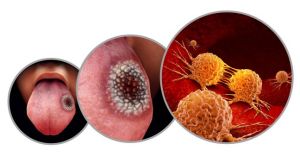
Monitor for:
-
Red or white patches in the mouth
-
Sores that don’t heal
-
Lumps, thickened tissues, or persistent mouth pain
-
Difficulty chewing or swallowing
-
Chronic sore throat or hoarseness
Perform monthly self-exams and report suspicious changes to your dentist promptly.
Final Thoughts: A Healthy Mouth = A Healthier You
Periodontal disease is far more than an oral issue—it’s a whole-body concern. Consistent dental hygiene, regular checkups, and early intervention can prevent serious health complications and protect your long-term well-being.